Christmas lights are one of the most loved parts of the holiday season in the United States. When you see homes glowing in December, you’re witnessing a tradition shaped by culture, faith, and innovation. The story behind these lights is rich and fascinating, stretching back hundreds of years. From flickering candles to modern technology, the Christmas light history reflects how people have always used light to celebrate hope and togetherness. Understanding the origins of Christmas lights helps you see how early customs evolved into what you enjoy today. As you explore this journey, you’ll discover the remarkable evolution of Christmas lights and why they remain such an important part of American holiday celebrations.
Origins of Christmas Lights in Europe
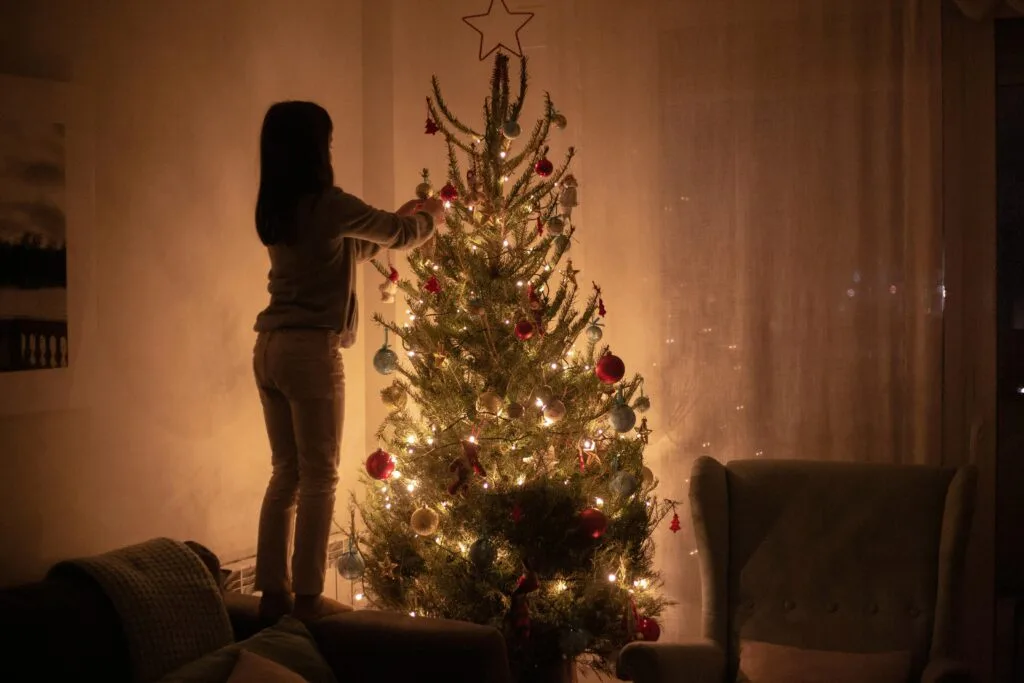
The story begins in Europe, where winter festivals relied on light to fight long, dark nights. Early communities believed light symbolized life and protection. These beliefs shaped the origins of Christmas lights long before electricity existed.
Many historians trace this practice to German Christmas traditions, where families brought evergreen trees indoors and added light as a symbol of renewal. This idea slowly spread across Europe and laid the foundation for modern celebrations.
Candlelit Christmas Trees and Early Traditions
Before wires and bulbs, people used candles to light their trees. These candle Christmas tree lights were carefully attached using wax or pins, making decorating both beautiful and dangerous.
Placing candles on Christmas trees turned early celebrations into magical displays, but the risk of fire was real. Families stayed close by, watching the flames instead of leaving the room.
Christian Symbolism Behind Christmas Lights
Light holds deep meaning in Christianity, often representing hope and divine guidance. The Christian symbolism of Christmas lights connects directly to spiritual teachings passed down through generations.
According to legend, Martin Luther Christmas tree candles were inspired by stars shining through forest branches. This story helped connect faith with home traditions that still continue today.
The Role of Glass Ornaments in Tree Illumination
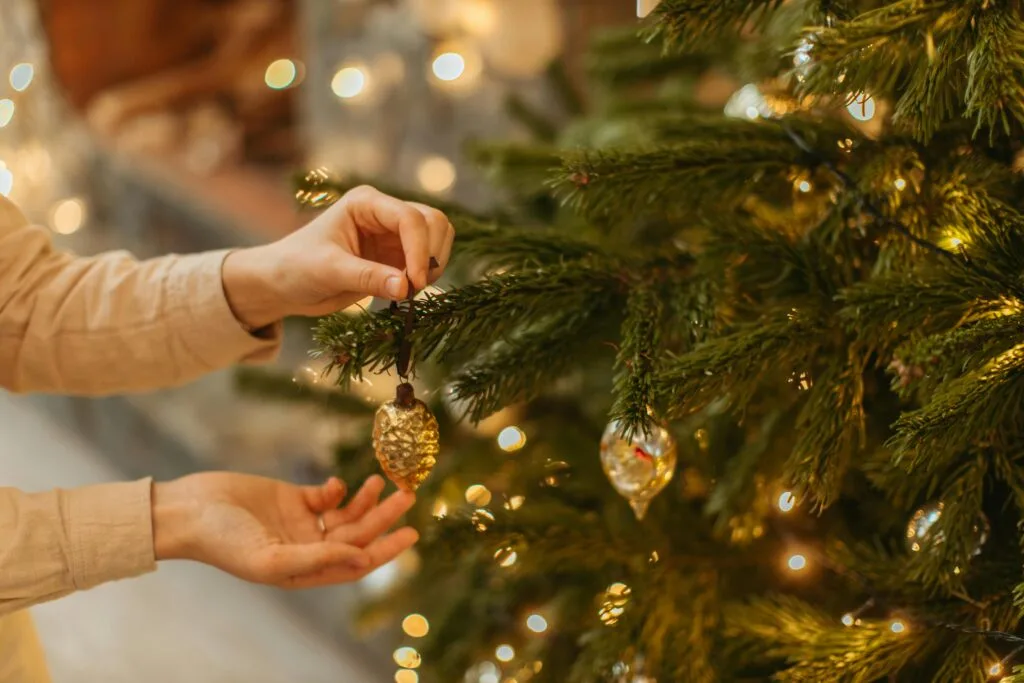
As decorating evolved, glass ornaments began reflecting candlelight beautifully. These shiny decorations became part of early Christmas decorations, enhancing the glow without adding more flames.
The combination of glass and light transformed how trees looked indoors. This change helped shape the evolution of Christmas lights by focusing on visual beauty as much as symbolism.
Invention of Electric Christmas Lights

Electricity changed everything. When electric Christmas lights appeared, they offered a safer and more reliable way to decorate trees without open flames.
In 1882, Edward Johnson Christmas lights debuted in New York, featuring hand-wired bulbs. This moment marked a turning point in holiday decorating history.
Christmas Lights in the White House

Public interest exploded when the White House embraced electric lighting. The first White House Christmas tree lights made headlines and inspired families across America.
By showcasing innovation, the Thomas Edison Christmas tree connection helped normalize electricity in homes. It also turned lighting into a symbol of modern celebration.
Commercialization of Christmas Lights
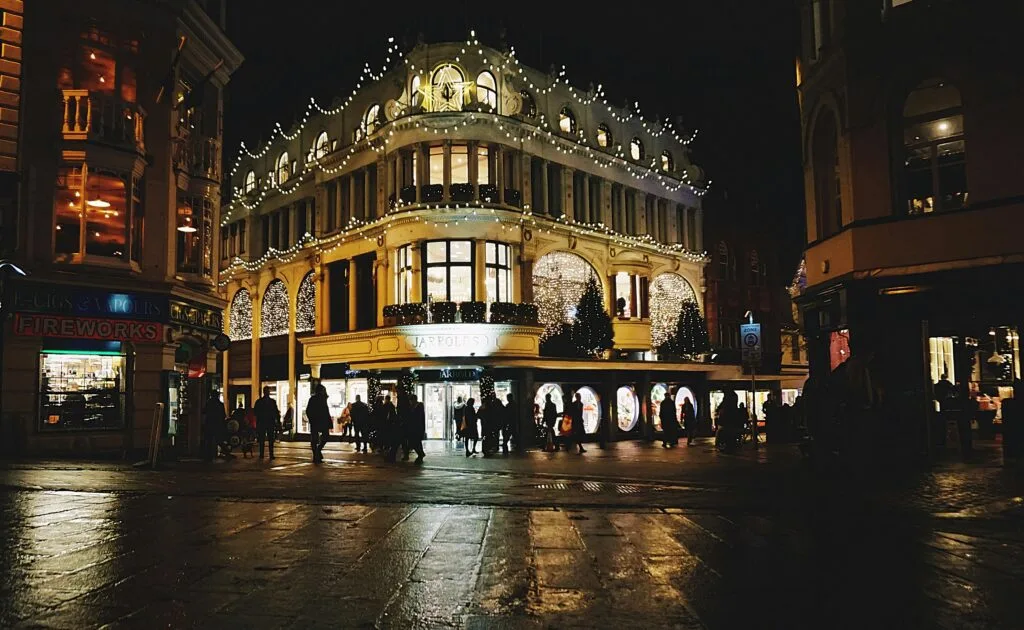
As demand grew, companies saw opportunity. The commercialization of Christmas lights began when businesses made them easier to buy and rent.
Early efforts by General Electric Christmas lights helped bring products to everyday families. Renting lights became common, making the tradition more accessible.
Safety Innovations and Public Acceptance
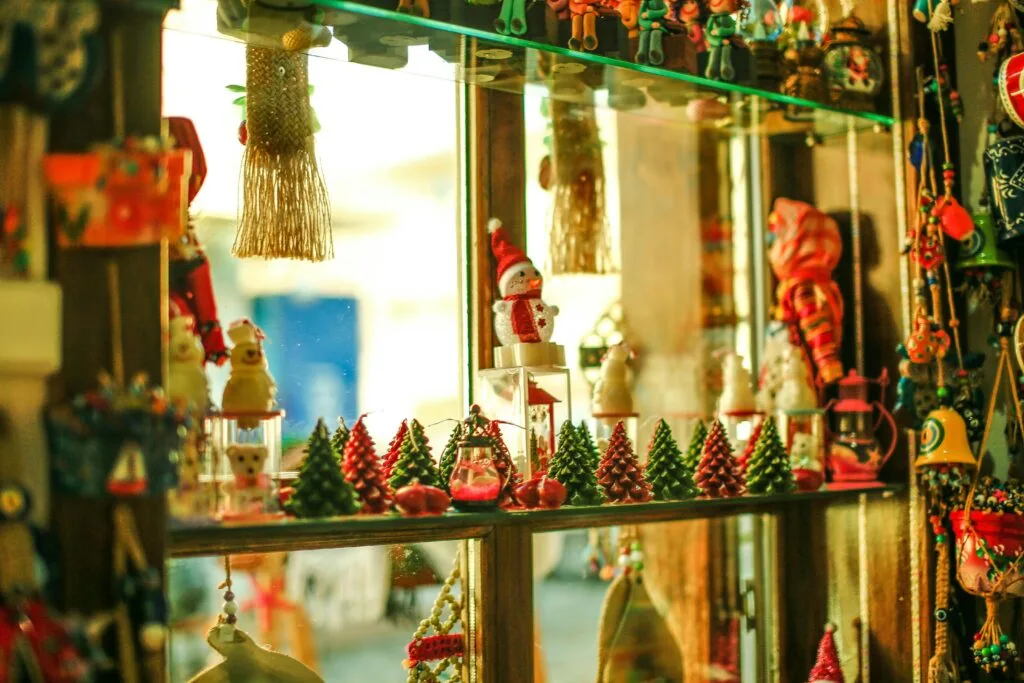
At first, people feared electricity. Fires caused by faulty wiring raised alarms about fire hazards of early Christmas lights.
Innovation changed opinions. Albert Sadacca Christmas lights introduced safer designs that reduced risk and increased trust, helping lights become a household standard.
Rise of Outdoor Christmas Light Displays
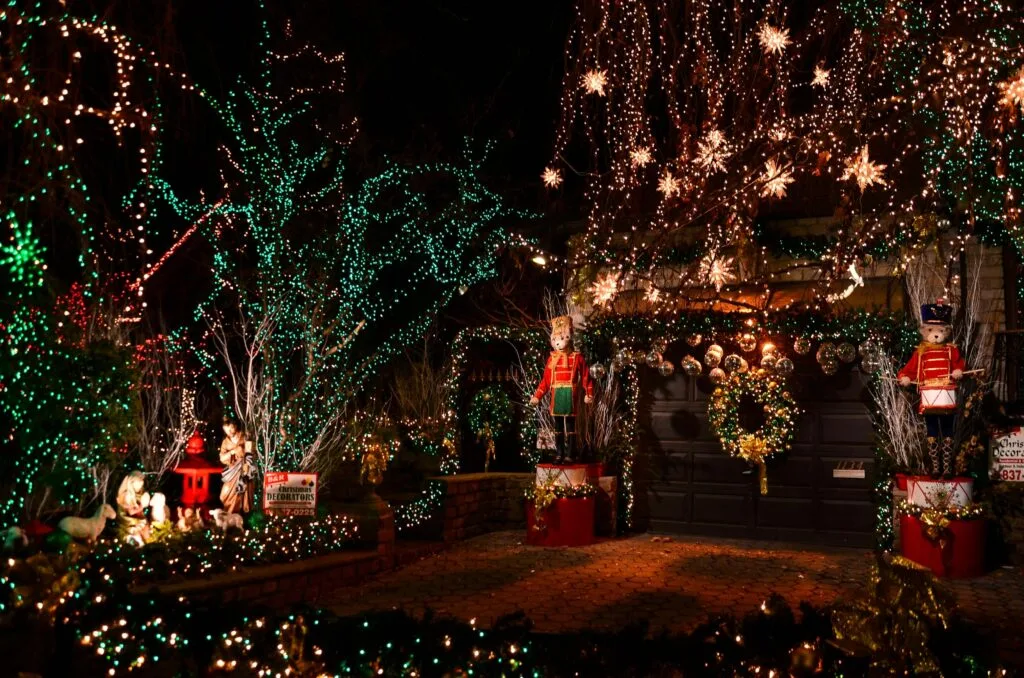
Lighting soon moved beyond trees and into neighborhoods. Outdoor Christmas light displays became a way for communities to celebrate together.
Advances in decorative outdoor holiday lighting allowed homes, streets, and businesses to glow safely. Driving around to see lights became a holiday ritual.
Novelty and Bubble Christmas Lights Era
During tough economic times, creativity flourished. Fun shapes and designs defined novelty Christmas lights during the Great Depression.
One standout was bubble Christmas lights, which used heat to create bubbling motion. These playful designs brought joy when people needed it most.
Aluminum Trees and Mid Century Lighting Trends
The 1950s brought bold design choices. Shiny aluminum Christmas trees replaced natural ones in many homes.
Paired with rotating flood lights, these trees reflected color instead of holding strings. The look defined mid-century modern holiday style.
Modern Christmas Lights: From Incandescent to LED
Traditional bulbs dominated for decades. Incandescent Christmas lights offered a warm glow but used more energy.
The shift toward efficiency reshaped decorating. The LED Christmas lights history shows how durability, safety, and lower costs changed everything.
Types and Styles of Christmas Lights Today
Today, you can choose from countless designs. Modern Christmas light styles and designs fit every home, theme, and budget.
From classic strings to smart systems, modern Christmas light technology lets you control color, brightness, and timing with ease.
Cultural Impact and Modern Christmas Light Traditions
Lighting is no longer just decoration. Christmas lights as a holiday tradition bring families together through shared rituals and memories.
When you’re decorating homes with Christmas lights, you’re continuing a story that began with candles and faith and grew through innovation and creativity. The glow still means the same thing: warmth, hope, and connection.
