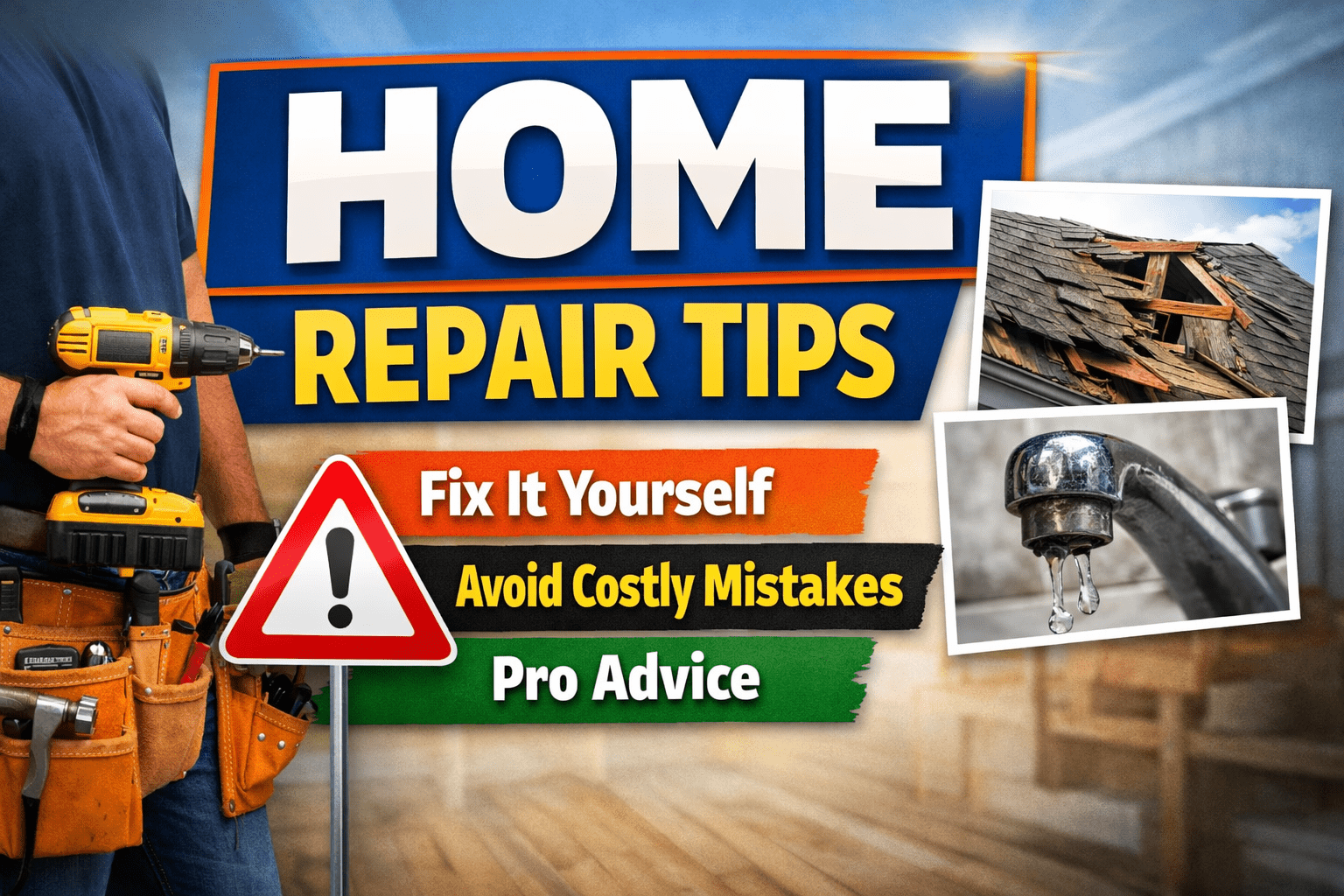
Owning a home comes with many responsibilities, and knowing the right home repair tips can save you time, money, and stress. From small interior home repairs like fixing a dripping faucet or patching drywall, to larger exterior home repairs like roof or siding issues, every task matters. Ignoring minor problems can lead to urgent home repairs that are costly and dangerous. Learning which repairs you can tackle yourself versus when to call a local home repair professional is essential for keeping your home safe and functional. Following practical DIY home repairs strategies helps maintain comfort, protect your property, and prevent future repair costs.
What Home Repairs Really Are and Why They Matter
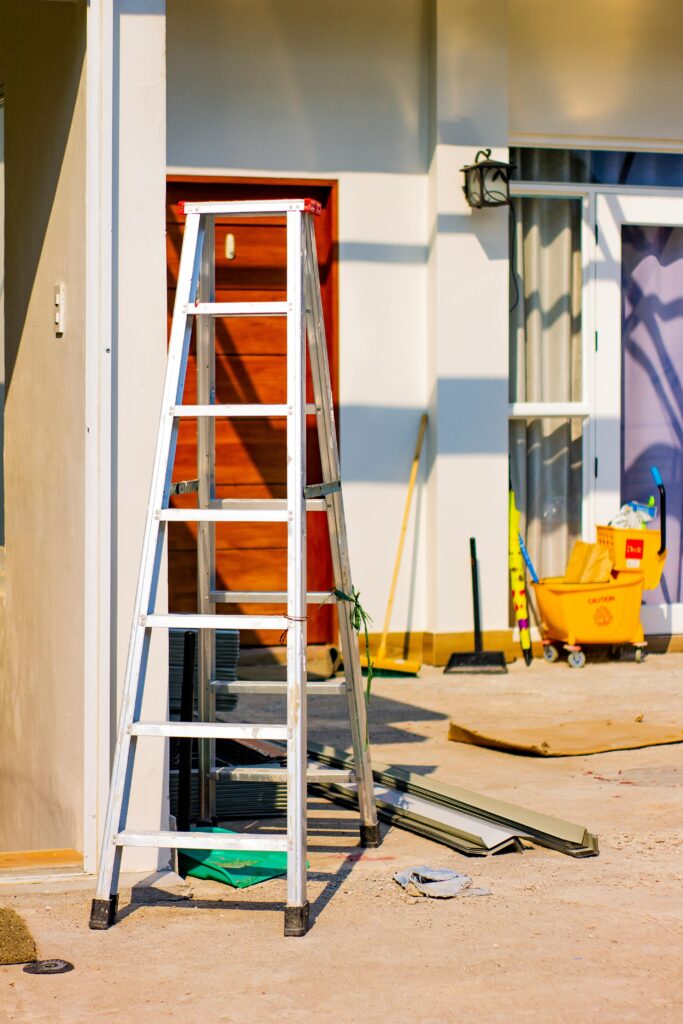
Home repairs are the everyday fixes that keep your house safe, comfortable, and fully functional. These repairs focus on solving problems that affect how your home works, not how it looks. Fixing a leak, repairing drywall, securing a loose railing, or fixing a damaged floor are all examples of home repairs. When these issues are ignored, they don’t stay small. Water spreads into wood and walls, materials weaken, and damage slowly moves from one area to another. That’s why timely home repair services are essential for protecting your home.
How Small Damage Spreads Over Time
A tiny crack or drip may not worry you today, but over months it can cause mold, rot, or structural weakness. Moisture is especially dangerous because it moves quietly behind walls and under floors. Fixing issues early keeps repair costs low and prevents stress later.
Home Repairs vs Preventive Maintenance
Many homeowners mix up repairs and maintenance, which leads to delayed action. Maintenance includes routine tasks like cleaning gutters, checking caulking, and tightening loose screws. Repairs fix problems that already exist, such as leaks, broken fixtures, or damaged walls. When you treat a repair like maintenance, you delay action and allow damage to grow. This often results in needing professional home repair instead of a simple fix.
Why Understanding the Difference Saves Money
Knowing when something needs repair instead of maintenance helps you act faster. Early repairs cost less, take less time, and prevent damage from spreading into other areas of the home.
Why Small Home Issues Become Expensive Problems

Homes don’t repair themselves. A slow faucet drip can rot cabinets. A loose stair can cause injury. A small wall crack can signal foundation movement. These are examples of minor home repairs that grow into major issues when ignored. What could have been fixed quickly becomes a costly project that affects multiple parts of your home.
The Cost of Waiting Too Long
Delaying repairs often means higher labor costs, material replacement, and longer repair times. Acting early saves money and protects your peace of mind.
The Most Common Home Repair Problems in American Homes
Most American homes face the same repair issues year after year. These include drywall cracks, leaking faucets, clogged drains, loose doors, damaged flooring, and worn seals. These problems happen due to normal wear and aging materials. Addressing them early through residential repair services helps keep your home strong and prevents repeated breakdowns.
Why These Problems Keep Returning
Many common repairs return because they are fixed temporarily instead of correctly. Proper repair methods ensure long-lasting results.
Interior Home Repairs That Affect Comfort and Safety
Interior problems affect daily life very quickly. Cracked walls, damaged ceilings, loose fixtures, and doors that won’t close properly reduce comfort and safety. Ignoring interior home repairs can lead to injuries, noise issues, and poor indoor conditions. When handled on time, these repairs restore peace and comfort inside your home.
Signs You Shouldn’t Ignore Indoors
Stains, sagging ceilings, unusual smells, and recurring cracks often indicate deeper issues that need attention.
Exterior Home Repairs That Protect Your Home
Exterior damage is often the most expensive because it allows water and pests inside. Cracked siding, damaged trim, broken gutters, and loose steps weaken your home’s structure. Timely exterior home repairs protect against rot, mold, and foundation damage.
Weather Damage and Your Home
Rain, heat, snow, and wind slowly wear down exterior materials. Regular repairs protect your home from harsh weather conditions.
Flooring Damage Warning Signs You Should Not Ignore
Floors handle daily foot traffic, furniture weight, and moisture exposure. Scratches, cracked tiles, loose boards, and soft spots may look minor, but many floor repair issues point to moisture damage or structural movement underneath.
Safety Risks from Damaged Floors
Uneven or loose flooring can cause trips and falls. Fixing these issues early improves safety and comfort.
When Floor Damage Needs Repair or Replacement
Not all floor damage requires replacement. Surface damage can often be repaired, but deep warping or moisture damage usually needs professional help. Knowing when to call a professional helps you avoid wasting money on short-term fixes.
Repair vs Replace Decision
A proper inspection helps determine whether repair or replacement is the best option.
Hidden Dangers of Ignoring Floor Problems
Ignoring floor damage can hide mold growth, rot, and weak supports. These hidden issues affect your entire home. Proper home safety repairs protect your family’s health and prevent major structural damage.
Kitchen and Bathroom Repairs That Protect Home Value
Kitchens and bathrooms face constant water exposure. Leaks, loose tiles, and worn fixtures can quickly reduce home value. Fast water damage repair prevents mold and protects cabinets, floors, and walls.
Why Buyers Focus on These Areas
Buyers inspect kitchens and bathrooms closely. Visible damage lowers offers quickly.
Drywall, Wall, and Ceiling Damage Explained
Small nail holes are normal, but spreading cracks, stains, or soft spots are serious warnings. Timely drywall repair helps stop moisture damage and keeps walls strong and clean.
Plumbing Repairs That Should Never Be Delayed
Plumbing problems can damage your home very fast. A dripping faucet wastes water and raises bills, while slow drains can damage pipes and flooring. Quick leaky faucet repair and clogged drain repair prevent expensive plumbing disasters.
Electrical and Lighting Repairs and Safety
Electrical issues are serious safety concerns. Flickering lights, buzzing sounds, or dead outlets can signal dangerous wiring. Trained handyman services handle these repairs safely and correctly.
Door, Window, and Garage Repairs for Security
Doors and windows protect your home from weather and intruders. If they don’t close or lock properly, your home is at risk. Professional door and window repair improves safety, comfort, and energy efficiency.
DIY Home Repairs That Are Safe to Handle
Some repairs are safe for beginners, such as tightening loose screws, sealing small gaps, or replacing simple hardware. Smart DIY home repairs save money when risk is low and instructions are clear.
Home Repairs You Should Leave to Professionals
Structural repairs, electrical work, plumbing leaks, and recurring issues need experience. A trusted local home repair professional ensures repairs are done correctly and last longer.
Average Home Repair Cost in the USA
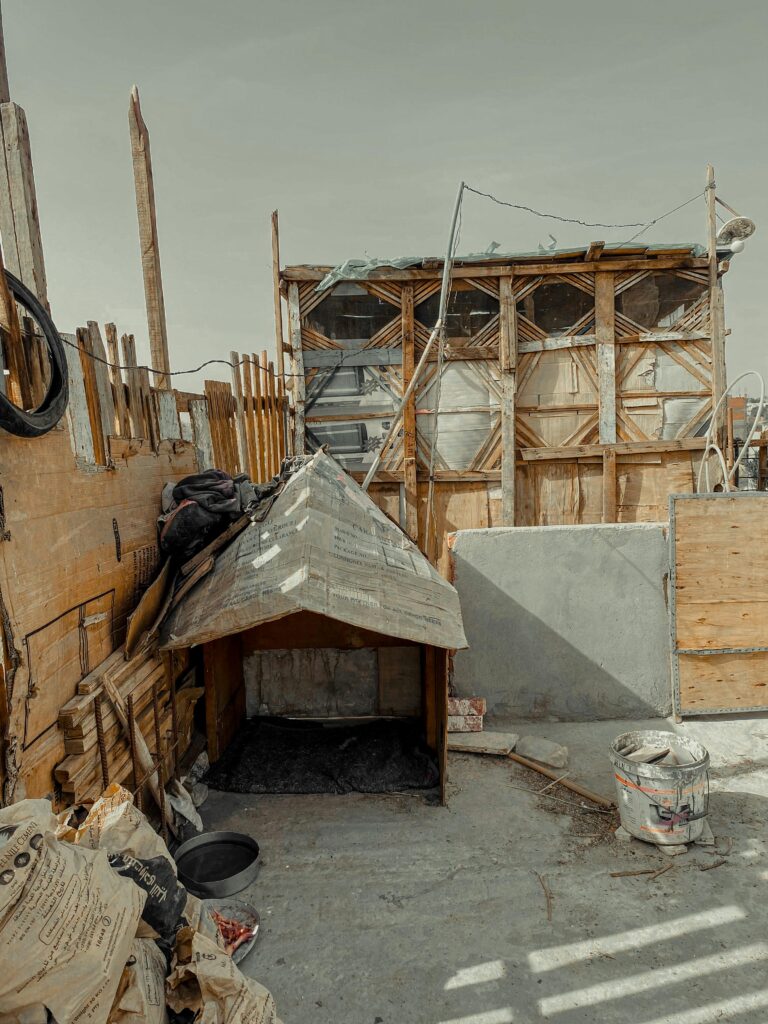
Repair costs depend on damage and labor. Drywall repairs often cost $150–$400. Faucet repairs range from $150–$350. Floor repairs may cost $300–$1,200. Knowing home repair cost ranges helps you plan wisely.
Emergency Home Repairs That Need Immediate Action
Active leaks, unstable stairs, broken locks, and exposed wiring are dangerous. These urgent home repairs must be fixed immediately to prevent injury or serious damage.
How Delayed Repairs Lower Home Value
Unfixed damage is easy to spot during inspections. Buyers lose confidence fast. Timely professional home repair protects resale value and prevents deal-breaking issues.
How to Choose the Right Home Repair Expert
A good expert offers experience, clear pricing, and honest communication. Quality home repair services provide long-term solutions, not temporary fixes.
Why Professional Repair Services Save You Money
Professionals work efficiently and use proper tools. Trusted residential repair services prevent repeat problems and reduce long-term costs.
Final Thoughts on Home Repairs
Home repairs are part of owning a house. When you act early, you protect your comfort, safety, and investment. Using the right home repair tips helps you make smart decisions and keep your home strong for years.
What Are the Most Common Home Renovation Mistakes?
Home renovation mistakes happen when homeowners rush projects without planning or knowledge. One of the biggest mistakes is starting renovations without a clear budget, which often leads to unfinished work or overspending. Many people also choose cheap materials to save money, but low-quality materials wear out quickly and increase future repair costs.
Another common mistake is ignoring permits and safety rules. Some renovations require legal approval, and skipping this step can cause serious problems later when selling the property. Poor planning of layout changes is also a major issue, especially in kitchens and bathrooms, where incorrect design can reduce functionality and comfort.
Lack of Professional Advice
Many beginners avoid consulting experts, thinking they can handle everything themselves. While DIY repairs are helpful, complex tasks like electrical wiring, plumbing, or structural changes require professional skills. Wrong execution in these areas can cause dangerous accidents and costly repairs.
Underestimating Time and Effort
Homeowners often assume renovations will finish quickly, but delays are common. Weather, material availability, and unexpected damage can extend timelines. Planning extra time and backup funds is the smartest way to avoid frustration.
What Is the 1 Rule for Home Maintenance?
The number one rule for home maintenance is Fix small problems before they become big ones. Regular inspections and timely repairs are the secret to keeping a home in excellent condition. Small cracks, leaks, or loose fixtures might seem minor, but if ignored, they can lead to serious damage.
Routine maintenance tasks like cleaning gutters, checking plumbing leaks, servicing HVAC systems, and sealing windows help prevent costly repairs. Creating a monthly or seasonal maintenance schedule ensures nothing important is forgotten.
Importance of Consistency
Consistency is the key to successful home maintenance. Doing small tasks regularly takes less time and money compared to fixing major damage later. A well-maintained home also has higher resale value and better living comfort.
Preventive Maintenance Benefits
Preventive maintenance improves safety, reduces utility bills, and extends the lifespan of home systems. It also helps homeowners avoid emergency repairs, which are usually expensive and stressful.
What Is the Most Expensive Thing to Repair on a House?
The most expensive home repairs usually involve structural systems. Roof replacement is one of the costliest repairs because it protects the entire house from weather damage. Foundation repairs are even more expensive because they affect the stability of the building.
Other costly repairs include replacing HVAC systems, plumbing pipes, electrical rewiring, and major water damage restoration. These repairs require skilled professionals and high-quality materials, which increases the cost significantly.
Why Structural Repairs Cost More
Structural repairs are expensive because they involve labor-intensive work and specialized equipment. Fixing foundations or roofs also takes time and careful planning to ensure safety and durability.
How to Avoid Major Repair Costs
Regular inspections can help detect early signs of damage. Checking roofs after storms, monitoring cracks in walls, and maintaining drainage systems can prevent large repair bills.
What House Repairs Should Be Done First?
When repairing a house, priorities matter. Safety-related repairs should always come first. Electrical faults, gas leaks, broken stairs, and loose railings should be fixed immediately because they pose serious risks.
Next, focus on repairs that prevent further damage, such as roof leaks, plumbing leaks, and foundation cracks. After that, comfort and cosmetic improvements like painting, flooring, and décor can be done.
Emergency Repairs Priority
Emergency repairs include anything that threatens safety or property damage. Water leaks, mold growth, and damaged wiring should never be delayed.
Smart Repair Order
A smart repair order is:
- Safety issues
- Structural damage
- Water and moisture problems
- Functional repairs
- Cosmetic upgrades
This order ensures your home remains safe and protected before improving appearance.
Home Repair Tips for Beginners
Starting home repairs can feel overwhelming for beginners, but with the right approach, anyone can learn basic maintenance skills. Begin with simple tasks like fixing loose screws, replacing light bulbs, sealing gaps, and cleaning drains. These small tasks build confidence and save money.
Always use proper tools and safety gear when working on home repairs. Learning from tutorials, guides, and manuals can help beginners understand step-by-step procedures. Keeping a toolbox with essential tools like a hammer, screwdriver, wrench, tape measure, and drill makes repairs easier.
Learn Before You Repair
Understanding the problem is the first step. Research the issue, watch demonstrations, and read instructions before starting any repair project. This prevents mistakes and improves results.
Start with Small Projects
Beginners should avoid complex tasks like electrical wiring or major plumbing changes. Instead, start with easy repairs like caulking windows, tightening fixtures, or replacing faucet washers.
Know When to Call a Professional
Some repairs require expert knowledge. If a task involves gas lines, electrical systems, or structural components, hiring a professional is safer and smarter.
Final Thoughts
Home repair and maintenance are lifelong responsibilities for homeowners. By avoiding common renovation mistakes, following the golden rule of maintenance, prioritizing important repairs, and starting with beginner-friendly tasks, anyone can keep their home in excellent condition. Regular care not only saves money but also improves safety, comfort, and property value in the long run.

I am a dedicated content creator and researcher with a passion for sharing insightful information across various topics. From lifestyle tips to deep meaningful quotes, I aim to provide my readers with accurate, engaging, and high-quality content that adds value to their daily lives.