Merry Christmas is far more than a simple phrase exchanged during the holiday season. It carries centuries of meaning, emotion, and tradition that still connect people today. In the United States, this phrase reflects the origin of Merry Christmas, warm family moments, and deep cultural roots. Saying it connects you to the Christmas greetings history that has influenced how we celebrate today.
Over time, this simple wish grew alongside the history of Christmas traditions, blending faith, culture, and joy. Many people don’t realize why we say Merry Christmas or how these words survived wars, social change, and evolving customs. Today, it remains one of the most powerful expressions of holiday happiness and togetherness.
The Meaning of Christmas and Its Celebration Explained
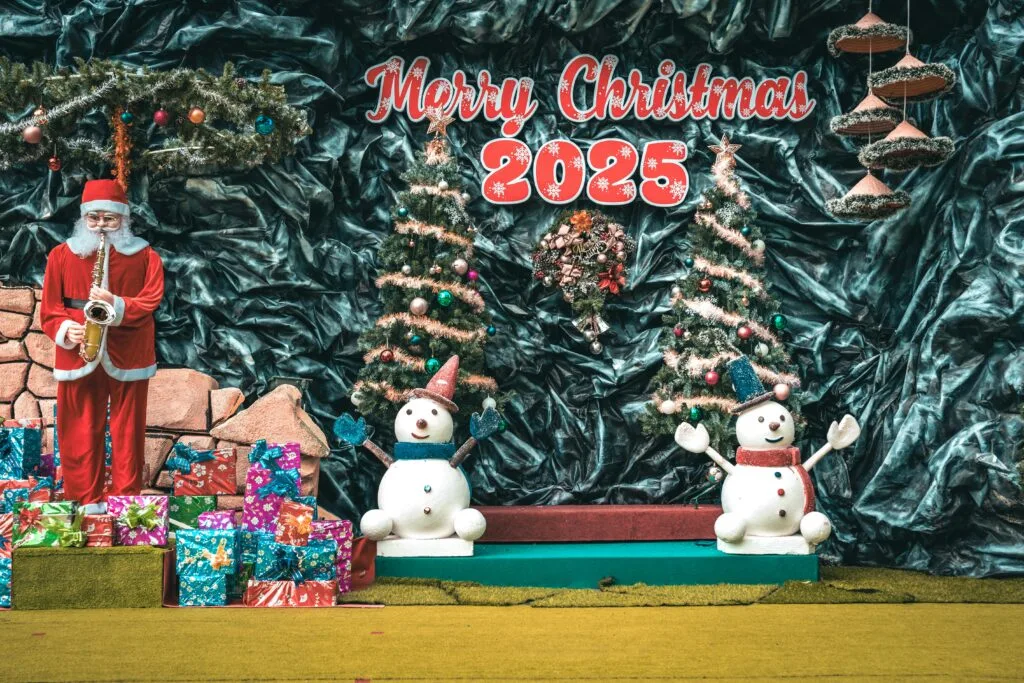
Christmas celebrates the birth of Jesus Christ and is observed on December 25. Christians observe it as a religious occasion full of church services, reflection, and gratitude, while It has gradually transformed into a worldwide cultural festival embraced by many.
In the United States, Christmas is both spiritual and social. Families gather, kids eagerly anticipate Santa Claus, and towns sparkle with festive decorations. The blend of religious devotion and joyful celebration is what makes Christmas meaningful for millions.
The History of Christmas: How It All Started

The early history of Christmas is complex. The Bible never specifies the exact day when Jesus was born. Church leaders later chose December 25 to align with existing winter celebrations and make Christianity easier to accept.
As centuries passed, Christmas slowly grew into a public holiday. Traditions changed based on region, culture, and time. What started as a religious observance became a global celebration.
Is December 25 the Real Birth Date of Jesus?
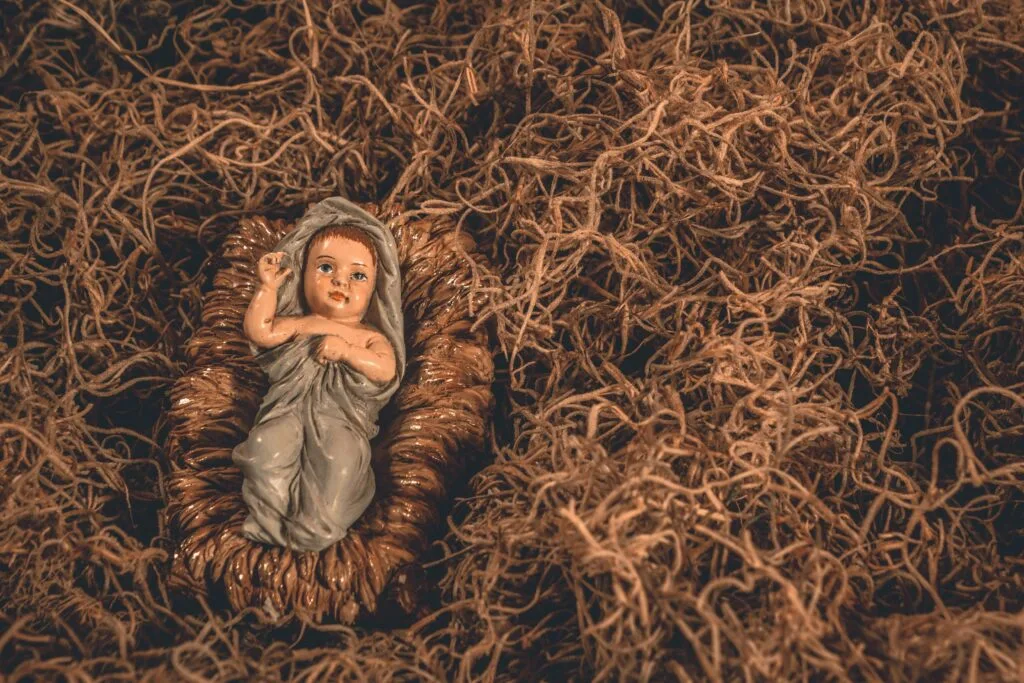
Historians widely agree that Jesus was probably not born on December 25. This date was selected centuries later by church leaders. They wanted a meaningful time during winter to celebrate hope and light.
By choosing this date, early Christians blended faith with existing festivals. This decision shaped how Christmas is celebrated today across the world.
From Pagan Festivals to Christmas Traditions
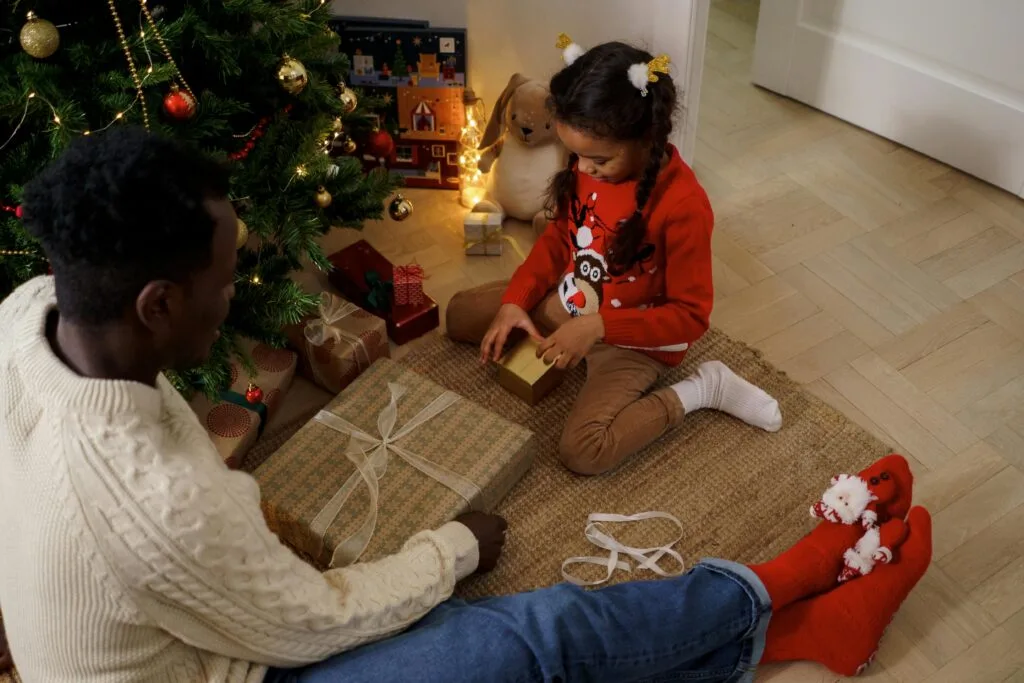
Before Christmas existed, people celebrated winter festivals like Saturnalia and Yule. These events focused on light, feasting, and a sense of unity during the year’s darkest season.
Many modern customs, such as decorating trees and lighting candles, come from these earlier traditions. Over time, they were adapted into Christmas celebrations.
What Makes Americans Greet with “Merry Christmas”?
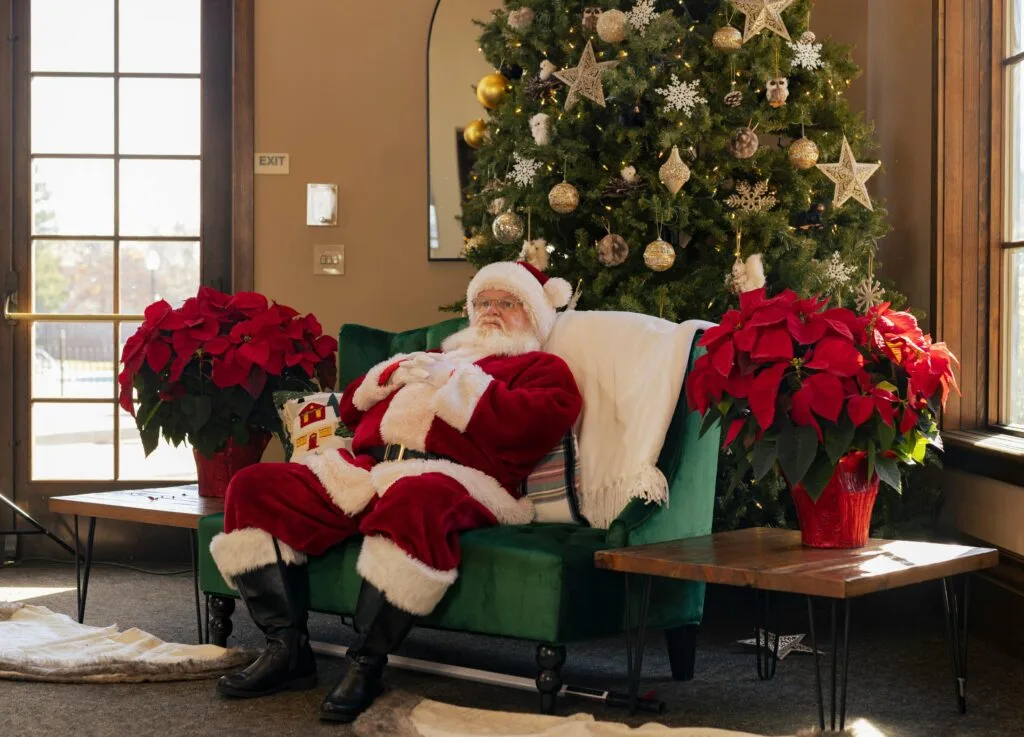
The greeting Merry Christmas has its origins in the 16th century. The word “merry” once meant peaceful and joyful, not just cheerful. It appeared in old English letters and songs.
The phrase became extremely popular after Charles Dickens wrote A Christmas Carol. Lines like “God bless us, every one!” helped spread warm holiday greetings. Printed Christmas cards later made the phrase even more common in America.
The Evolution of Christmas in the United States
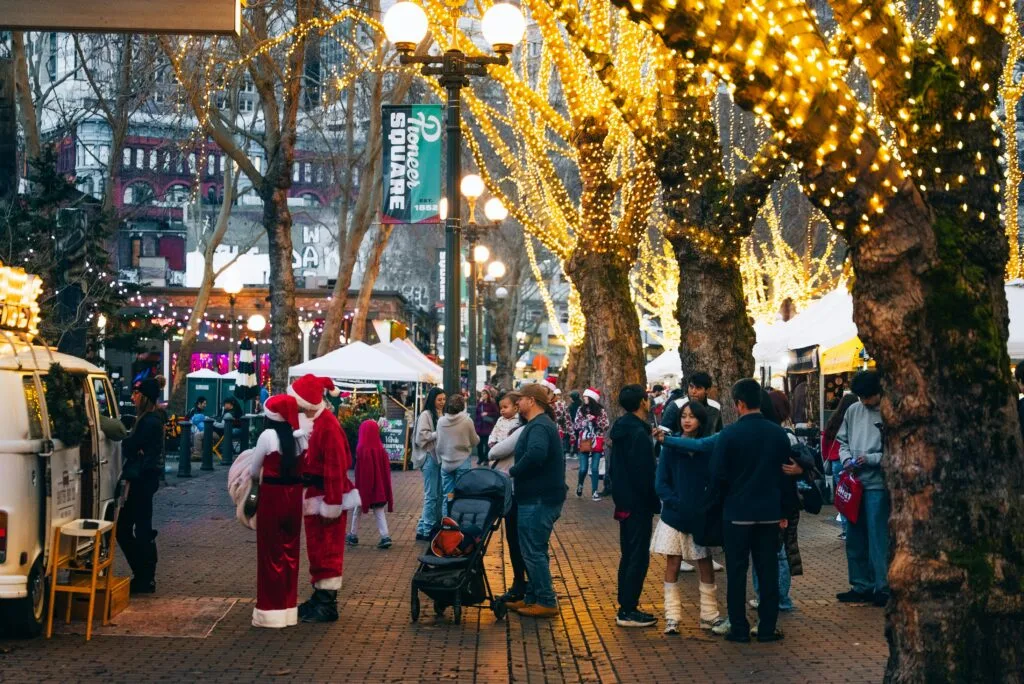
In early America, Christmas was not widely celebrated. Some groups even opposed it. Things shifted in the 19th century as literature began to influence traditions, media, and community events reshaped the holiday.
By the 20th century, Christmas became a major national celebration. Parades, movies, and music helped define how Americans celebrate today.
The Origins of Santa Claus: Uncovering the Real Story
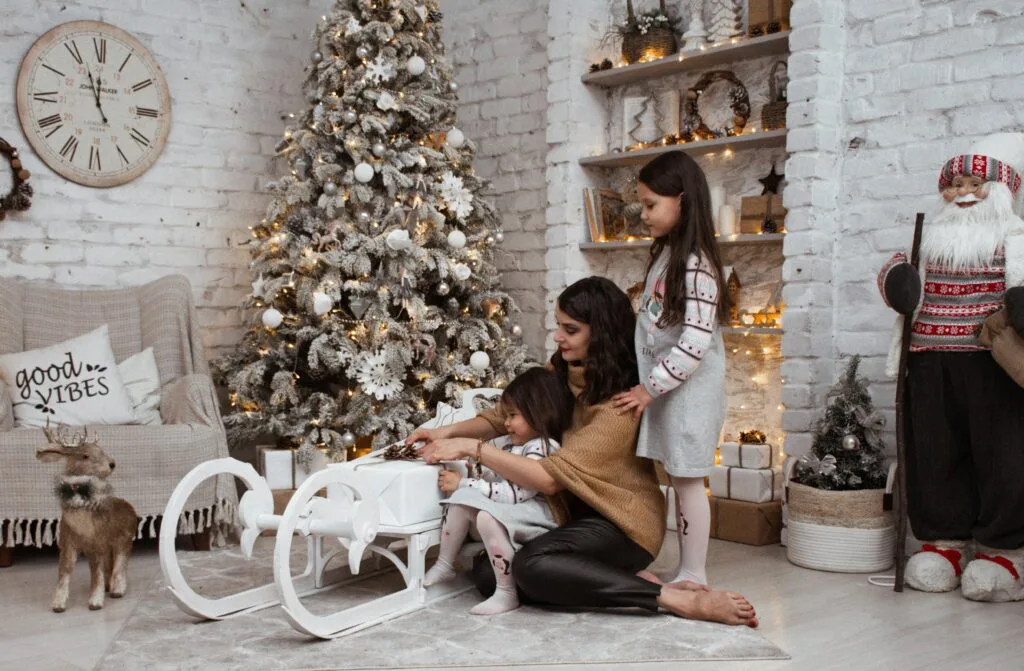
Modern Santa, with his red suit and cheerful personality, was shaped by poems, advertisements, and popular culture. He became a symbol of generosity and joy.
Popular Christmas Traditions in the USA
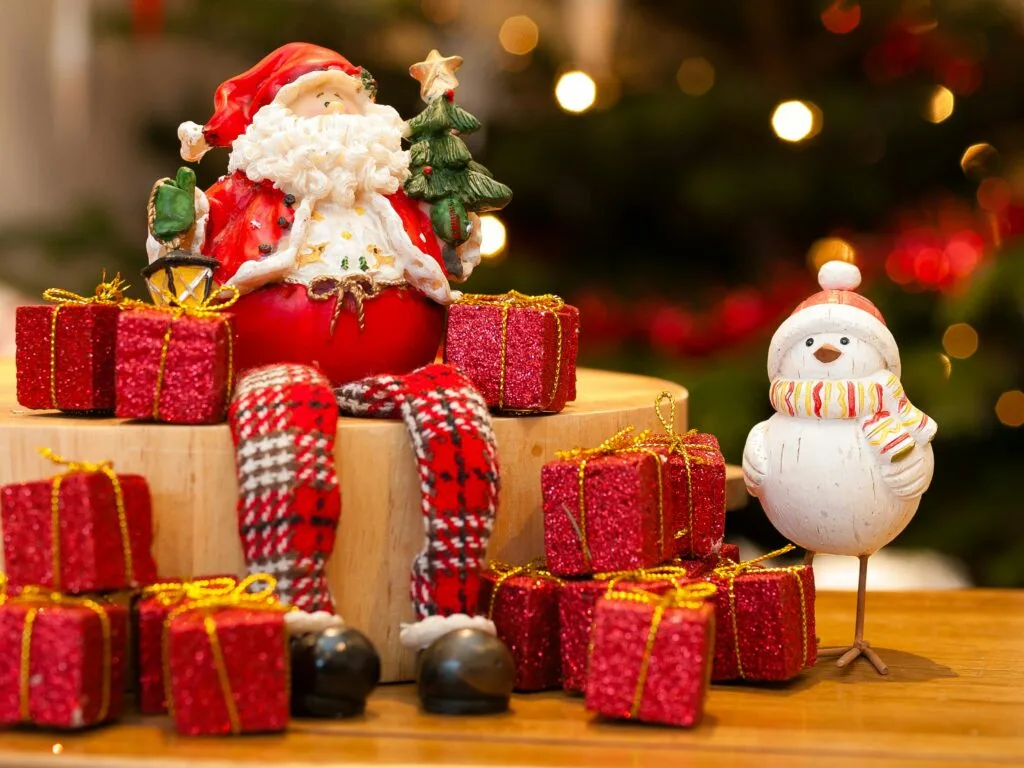
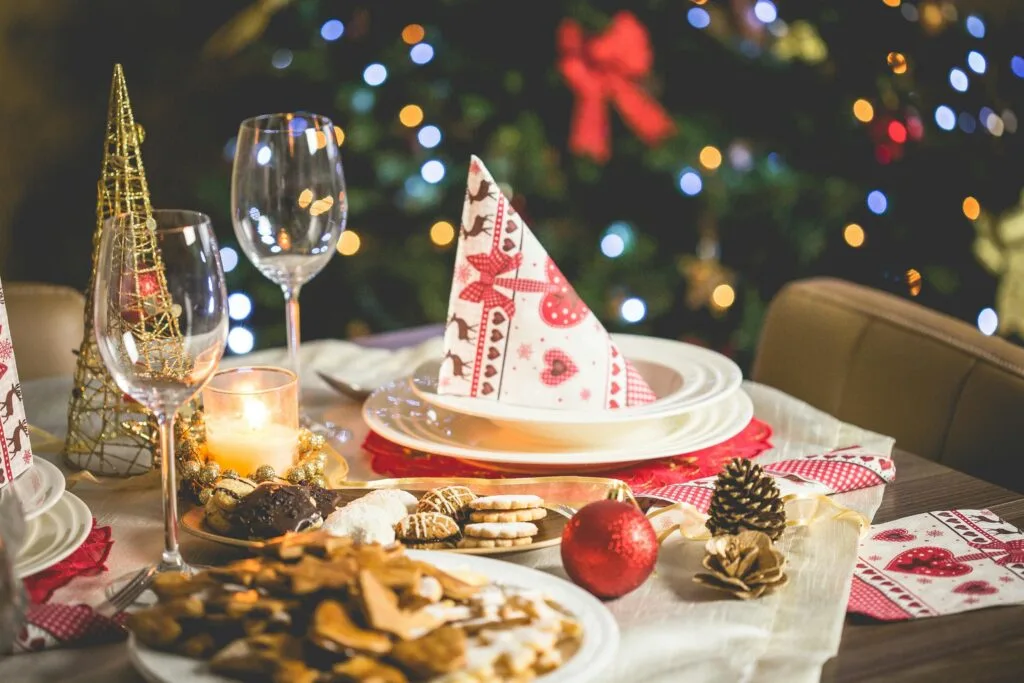
Americans celebrate Christmas with decorated trees, gift exchanges, and family meals. Homes glow with lights, and neighborhoods come alive with festive spirit.
Another unique tradition is the TV Yule Log, which started when WPIX television in New York aired a burning log for viewers without fireplaces. It quickly became a holiday favorite.
Famous Christmas Songs and Their Origins

Many beloved songs have surprising histories The song Do You Hear What I Hear was composed amid the Cuban Missile Crisis as a call for peace
It later became a holiday classic.
“Silent Night” was first performed in Austria when a church organ broke. any years on, it became part of the events during the World War I Christmas Truce, when soldiers sang together across battle lines.
Modern Christmas Celebrations and Trends

Technology has changed how people celebrate Christmas. Families now share moments online, stream holiday movies, and shop digitally.
One popular modern tradition is the NORAD Santa Tracker. It began after a misprinted Sears Roebuck ad during the Cold War era and now lets children enjoy tracking Santa Christmas Eve using modern technology.
Amazing and Unexpected Christmas Facts You May Not Know
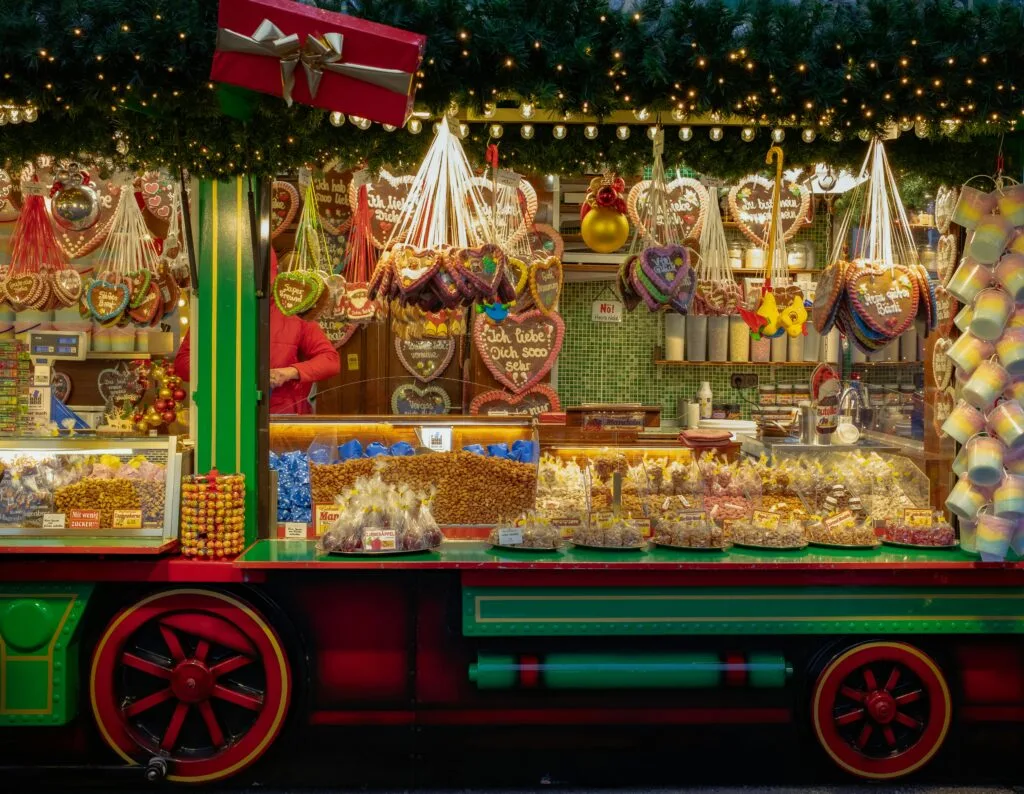
Snow globes were invented in Vienna Austria by Erwin Perzy while experimenting with light. They later became popular Christmas souvenirs.
Many traditions we think are ancient are actually less than 100 years old. Christmas continues to evolve with each generation.
Why Christmas Remains Significant Today
Christmas remains important because it brings people together. It encourages kindness, reflection, and generosity during a busy world.
Regardless of whether you celebrate for religious reasons, family, or custom, the meaning remains unchanged. Joy, peace, and connection still define Christmas today.
