
DIY home improvement has become a favorite way for homeowners in the USA to save money on professional labor while enhancing their living spaces. Whether you’re tackling beginner DIY projects like painting rooms or fixing cabinets, or moving toward more complex intermediate DIY tasks, the satisfaction of completing work yourself is unmatched.
Beyond cost savings, DIY allows you to learn valuable skills, gain confidence, and plan home renovation projects according to your own schedule. From replacing light fixtures to installing shelves, each project contributes to home value improvement. With proper planning, tools, and safety precautions, you can achieve professional results at home.
Understanding DIY Home Improvement and Repairs

DIY home improvement simply means improving, repairing, or maintaining your home without hiring a professional for every task. It includes painting walls, fixing doors, repairing cabinets, and handling small upgrades that don’t affect the structure of your home. Many homeowners start with curiosity and stay because they realize how empowering it feels to fix things themselves. Over time, small repairs turn into valuable experience that can save thousands of dollars.
Why DIY Matters for Homeowners
DIY isn’t just about money. It gives you flexibility and control. You decide when the work happens, how it’s done, and what materials you use. This mindset helps you approach Home renovation projects with confidence instead of fear.
Why DIY Repairs Are So Popular in the USA
Across the USA, labor costs have increased sharply. Even minor repairs can come with high service charges. That’s why many people choose DIY for tasks they can safely manage. Online tutorials, tool rentals, and affordable materials make it easier than ever to get started. For many families, DIY has become a smart way to maintain their home without constant outside help.
Saving Money Without Cutting Corners

When you do projects yourself, you save on labor but still invest in quality materials. This balance is what makes Budget DIY projects so appealing for homeowners who want results without overspending.
DIY vs Hiring a Professional: How to Decide
Not every project should be DIY. The key is knowing where to draw the line. Cosmetic updates like painting, shelving, or hardware replacement are usually safe. Projects involving electrical panels, major plumbing, or load-bearing walls are different. In those cases, Hiring a contractor protects your safety and your investment.
Ask Yourself Before Starting
Should you DIY a home improvement if it affects safety, permits, or structural integrity? If the answer feels uncertain, it’s better to pause and seek expert help.
Assessing Your Skills Before You Start
DIY success begins with honesty. You don’t need advanced skills, but you must understand your limits. Start with Beginner DIY projects that involve basic tools and low risk. Each small win builds confidence and prepares you for more complex tasks later.
Learning as You Go
DIY is a learning process. You’ll make mistakes, but each project teaches you something valuable that improves future results.
Essential Tools Every Homeowner Should Own
A reliable toolkit makes every project easier and safer. Basic items like a drill, tape measure, level, and stud finder allow you to work accurately. Quality Home maintenance tools also prevent damage caused by guesswork or poor measurements.
Tool Rentals Can Save Money
For larger tools, rentals are often smarter than buying. Tool rentals to save money are common across the USA and perfect for one-time projects.
DIY Safety Rules You Should Never Ignore
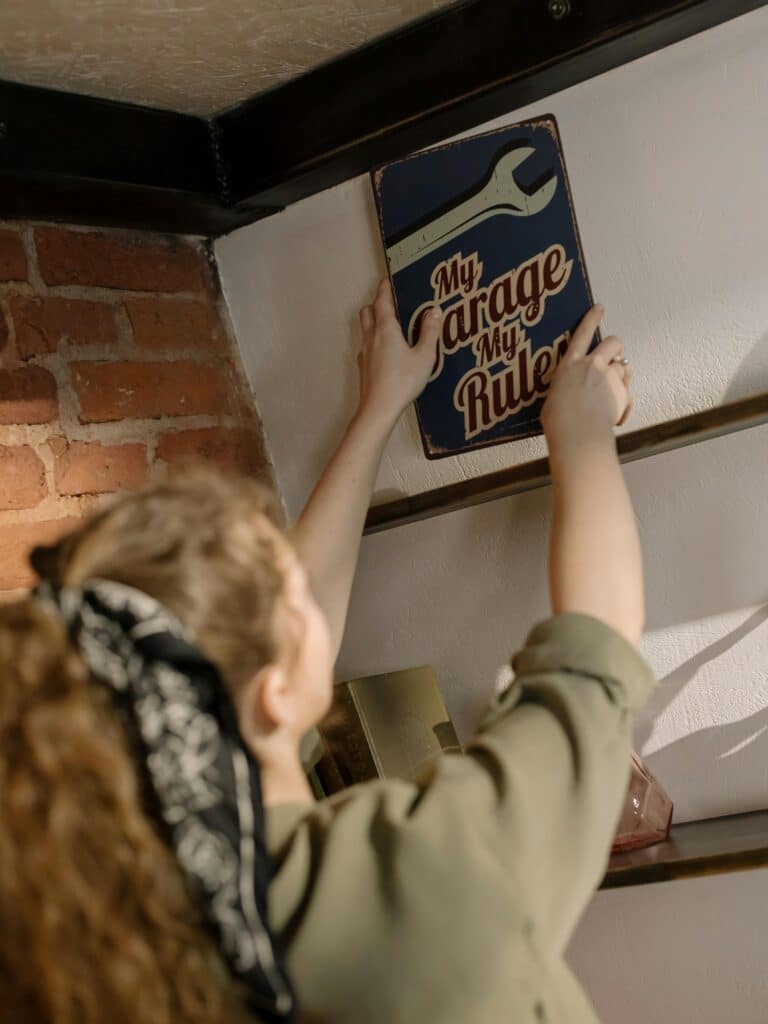
Safety is the most overlooked part of DIY. Always wear gloves and eye protection. Turn off power at the breaker before any electrical task. Use ladders carefully and avoid rushing. Proper Safety equipment (PPE) protects you from injuries that can turn a small job into a serious problem.
Working Safely at Heights
Falls are one of the most common DIY injuries. Follow ladder safety tips and never overreach.
Simple DIY Repairs for Beginners
If you’re just starting, focus on repairs that don’t require advanced skills. Tightening hardware, sealing gaps, or fixing small wall damage are excellent entry points. These Simple DIY projects for beginners help you build confidence without stress.
Fixing Wall Holes, Cracks, and Minor Damage
Small holes and cracks make a home look neglected, but they’re easy to fix. With filler, sanding, and paint, walls can look brand new. This kind of repair often becomes the gateway into DIY home improvement because the transformation is immediate.
Door, Hinge, and Handle Repairs
Doors sag and handles loosen over time. These issues usually require simple adjustments. Fixing them improves daily comfort and shows how small repairs can make a big difference.
Cabinet and Drawer Repairs
Loose cabinets and sticking drawers are common in kitchens and bathrooms. Tightening screws or adjusting tracks often solves the problem. These repairs prevent unnecessary Home renovation projects and keep your space functional.
DIY Furniture Repair and Restoration
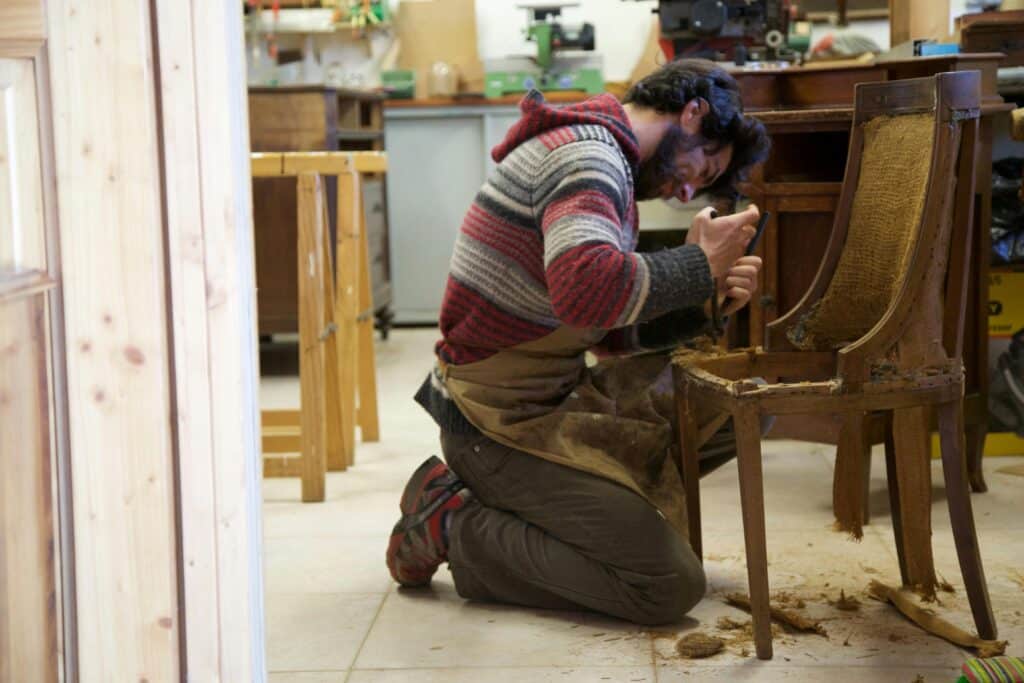
Furniture doesn’t need replacement at the first sign of wear. Loose joints, scratches, or stains can often be fixed with basic tools. Repairing furniture supports long term Home value improvement and reduces waste.
DIY Painting and Finishing Projects
Painting rooms is one of the most popular DIY tasks. Preparation matters more than speed. Clean surfaces, proper taping, and thin coats lead to better results. Painting rooms refreshes your home more than almost any other upgrade.
Painting Doors, Trim, and Cabinets
These surfaces need patience and precision. Light sanding and quality brushes make a noticeable difference.
Fixing Peeling Paint and Surface Cracks
Peeling paint usually signals moisture or poor prep. Fix the cause before repainting to avoid repeating the problem. Addressing these issues early reduces long term Home renovation challenges.
Kitchen DIY Repairs That Make Sense
Kitchen repairs often involve cabinets, fixtures, or hardware. As long as you avoid moving plumbing lines, many tasks are safe and effective. These repairs support DIY home improvement without major disruption.
Fixing Leaky Faucets
Minor leaks waste water and money. Simple fixes stop damage before it spreads into cabinets or floors.
Kitchen Cabinet Repairs and Refacing
Replacing cabinets is expensive. Refacing offers a smarter alternative. New finishes and hardware modernize your kitchen fast. Kitchen cabinet refacing is one of the highest return DIY upgrades.
Bathroom DIY Repairs That Prevent Damage
Bathrooms hide moisture issues that lead to mold. Fixing leaks, resealing joints, and replacing caulk prevents long-term damage. These repairs reduce Home safety hazards and protect your home’s structure.
Tile, Grout, and Shower Repairs
Loose tiles or cracked grout should never be ignored. Fixing them improves hygiene and appearance. Projects like Tiling a backsplash also teach precision and planning.
Living Room DIY Repairs and Improvements

Living rooms benefit from wall repairs, trim fixes, and shelving. Installing shelves improves storage and design at the same time. Installing shelves is a practical upgrade that adds function without clutter.
Bedroom Repairs and Comfort Improvements
Bedrooms should feel calm and functional. Adjusting doors, fixing lighting, or replacing fixtures improves daily comfort. Replacing light fixtures is a common task that refreshes any space.
Garage Repairs and Organization Projects
Garages often become cluttered storage zones. Securing shelves and repairing doors improves safety and access. These projects support better Home improvement planning overall.
Closet Repairs and Storage Solutions
Closets fail due to weak supports. Reinforcing rods and shelves increases storage efficiency. These are ideal Beginner DIY projects with daily benefits.
Electrical Repairs: What You Can and Can’t Do
Some electrical tasks are allowed if local rules permit. Always turn off power at the breaker. Even simple Electrical work demands caution and respect for safety standards.
When Electrical Work Becomes Dangerous
Panel upgrades or new circuits require permits and inspections. This is when a licensed professional is necessary.
Outdoor DIY Repairs and Maintenance
Exterior maintenance protects your investment. Deck boards, railings, and fences need regular care. Projects like Building a deck require careful planning and weather awareness.
Roof, Gutter, and Siding Maintenance
Working outside involves height and balance. Use proper ladders and tools. Following Ladder safety tips reduces risk significantly.
Entryway and Front Porch Improvements
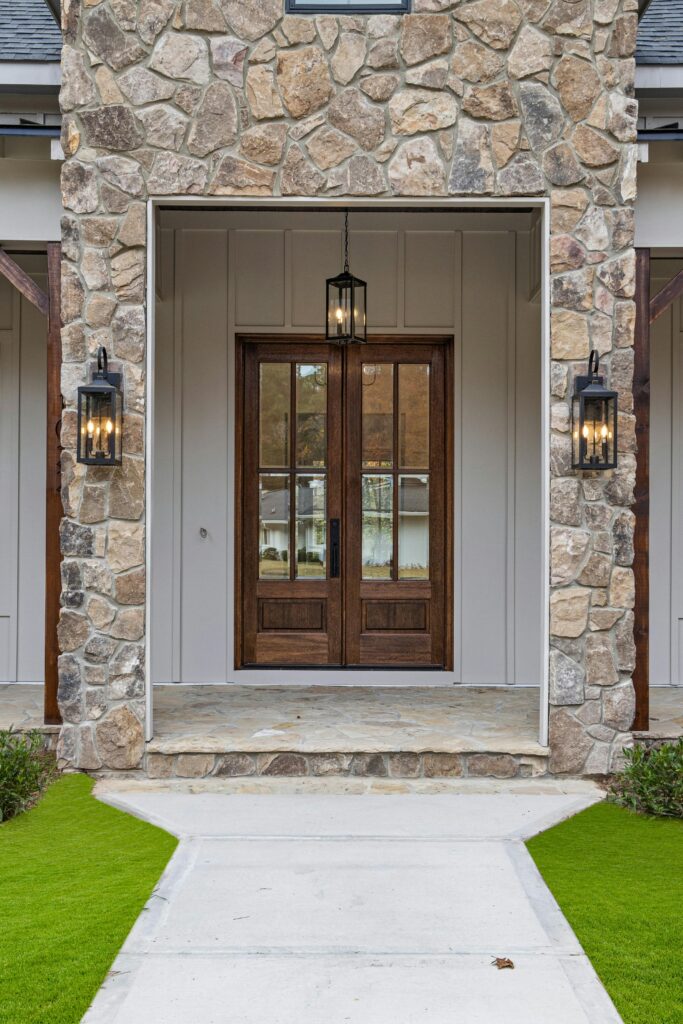
Your entryway creates the first impression. Fixing doors, lighting, and railings boosts curb appeal and supports Home value improvement.
Intermediate DIY Projects That Add Value
Once confident, you can handle crown molding or backsplash installs. Installing crown molding adds a professional look when done carefully.
Advanced DIY Projects and Legal Limits
Major projects affect structure and safety. Structural changes must follow local building codes and inspections.
Common DIY Mistakes to Avoid
Most failures come from poor planning. Always add a buffer. Add 10% to 20% for unexpected costs to keep projects moving.
Scheduling Projects the Smart Way
Break large jobs into phases. Good Project scheduling keeps progress steady without burnout.
DIY Repairs for Renters
Renters should focus on reversible improvements. Always check lease rules before starting Home renovation projects.
When to Hire a Professional Contractor
Some jobs require permits, inspections, and experience. When to hire a professional contractor is often the difference between success and costly mistakes.
Final Thoughts: Build Skills One Project at a Time
DIY is not about perfection. It’s about learning, improving, and making your home work better for you. With patience, planning, and safety in mind, DIY home improvement can deliver professional results at home while saving money and building real confidence.
FAQs
What Is the 30% Rule in Remodeling?
The 30% rule in remodeling is a simple guideline that helps you avoid over-improving your home. It means you should not spend more than 30% of your home’s current market value on renovations. For example, if your house is worth $300,000, your total remodeling budget should ideally stay under $90,000. This rule exists to protect your investment, especially if you plan to sell in the future. Spending more than this amount often doesn’t return full value at resale, even if the upgrades look impressive. The 30% rule is not a strict law, but it’s a smart financial boundary that helps homeowners make better renovation decisions.
What Are Some DIY Home Improvement Projects?
There are many DIY home improvement projects that homeowners can safely do without professional help. Popular options include painting rooms, fixing drywall holes, replacing cabinet hardware, installing shelves, changing light fixtures, and upgrading faucets. These projects don’t require advanced skills or permits, yet they make a noticeable difference in how a home looks and feels. Many people start with small DIY projects because they are affordable, low-risk, and easy to complete over a weekend. Over time, these projects help build confidence and reduce the need to hire professionals for every minor repair.
What Adds $100,000 to Your House?
Adding $100,000 in value to a home usually requires major upgrades, not small cosmetic changes. Projects that can create this level of value include a full kitchen remodel, a bathroom remodel, adding an extra bedroom or bathroom, finishing a basement, or building a high-quality deck. These improvements work because they increase usable living space or significantly improve functionality. However, the actual value added depends on location, market demand, and build quality. High-value projects must follow building codes and often require permits, which is why many homeowners hire professionals for this level of renovation.
Are DIY Projects Really Cheaper Than Buying?
Yes, DIY projects are usually cheaper than buying new items, especially for furniture, décor, and basic home upgrades. When you do a project yourself, you mainly pay for materials instead of labor, which can reduce costs by 40% to 60%. For example, refinishing cabinets or repairing furniture often costs far less than replacing them. However, DIY is only cheaper if the work is done correctly. Mistakes, poor planning, or safety issues can turn a cheap project into an expensive fix. DIY saves money when you choose the right projects and stay within your skill level.
DIY Home Improvement Books
DIY home improvement books are a great learning resource, especially for beginners who prefer step-by-step guidance. These books cover tools, safety, planning, and common repairs in a structured way that online videos often don’t. Many homeowners use DIY books to understand home systems like plumbing, electrical basics, and carpentry before starting projects. A good DIY book helps you plan properly, avoid mistakes, and work safely. While online tutorials are helpful, books often provide deeper explanations that improve long-term DIY skills.

I am a dedicated content creator and researcher with a passion for sharing insightful information across various topics. From lifestyle tips to deep meaningful quotes, I aim to provide my readers with accurate, engaging, and high-quality content that adds value to their daily lives.